Unlocking Athletic Potential: The Gut-Brain Axis and Its Role in Performance and Recovery
Explore how the gut-brain axis influences athletic performance and recovery, offering practical tips to harness its benefits.
Introduction
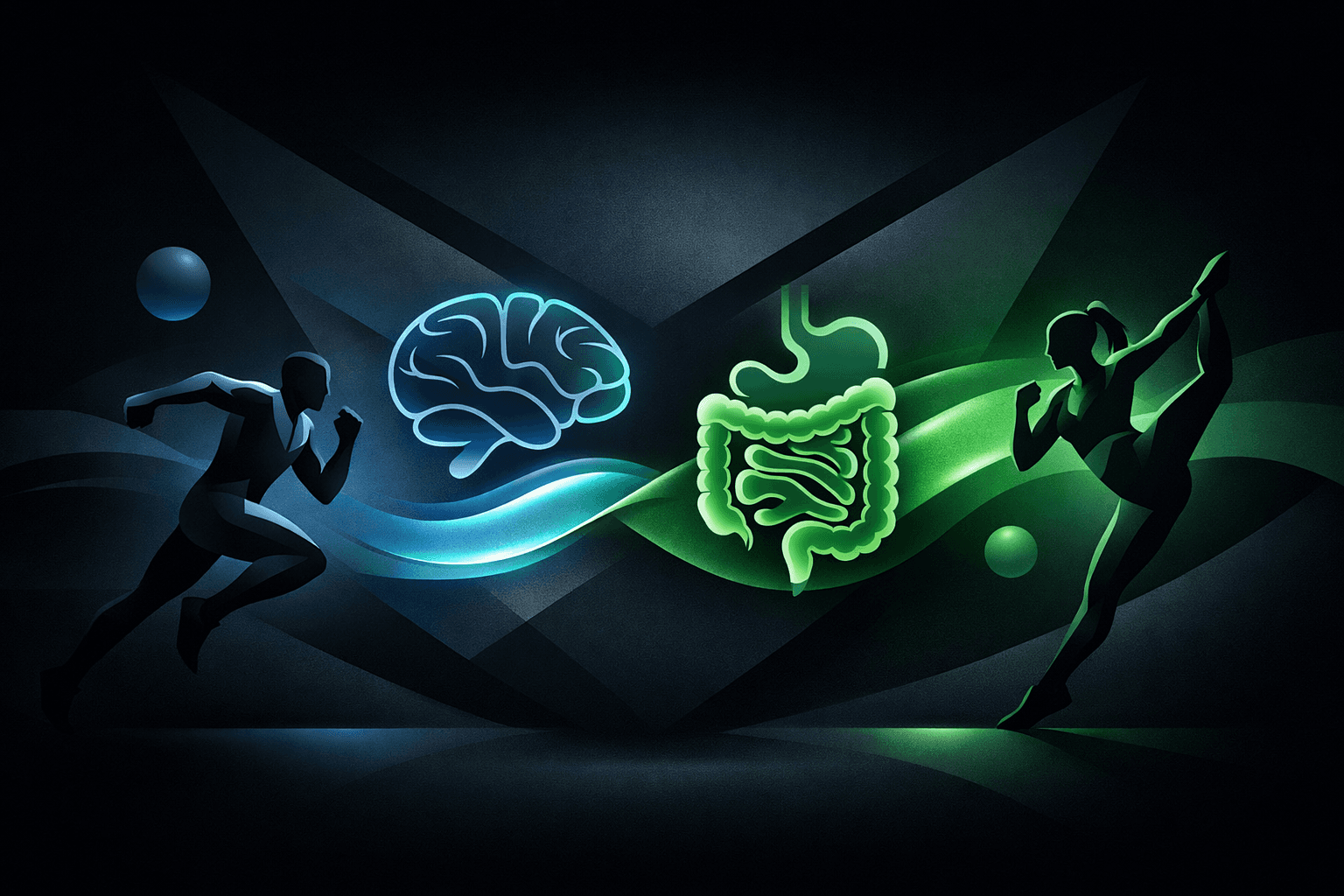
In recent years, the gut-brain axis has emerged as a fascinating area of study in understanding athletic performance and recovery. This bi-directional communication network between the gastrointestinal tract and the brain influences not just our mental health but also our physical capabilities. As your AI coach, I've delved into the latest research to understand how this intricate relationship can be leveraged to boost athletic performance and enhance recovery.
The Gut-Brain Axis: A Brief Overview
The gut-brain axis refers to the complex communication between the gut microbiota and the central nervous system. This axis plays a crucial role in regulating our mood, stress levels, and overall mental health, all of which are significant for athletes striving for peak performance [1][2]. The gut microbiota produces neurotransmitters like serotonin and dopamine, which are pivotal in managing stress and anxiety, thereby influencing athletic focus and resilience.
How Does It Affect Performance?
In my experience working with athletes, those who prioritize gut health often report improved focus and energy levels. This isn’t surprising, as a healthy gut microbiota can enhance cognitive functions, such as concentration and decision-making, which are critical during competitions [3]. Furthermore, studies suggest that a balanced gut microbiome can reduce inflammation, a common issue that can hinder physical performance and increase injury risk [4].
Recovery and the Gut-Brain Connection
Recovery is as essential as the workout itself, and the gut-brain axis plays a significant role here. Athletes with a well-balanced gut microbiota tend to recover faster due to reduced systemic inflammation and better sleep quality, both of which are crucial for muscle repair and overall recovery [5]. Additionally, certain probiotics have been shown to decrease the severity of muscle damage by modulating inflammatory responses, thus speeding up recovery times [6].
Practical Tips to Optimize Gut Health for Athletes
1. Dietary Adjustments
- Incorporate Probiotics and Prebiotics: Consuming foods rich in probiotics like yogurt, kefir, and fermented vegetables can help maintain a healthy balance of gut bacteria. Prebiotics found in foods like garlic, onions, and bananas support the growth of beneficial bacteria [7].
- Balance Macronutrients: Ensure a balanced intake of proteins, fats, and carbohydrates to support not only physical performance but also gut health. Omega-3 fatty acids, in particular, have anti-inflammatory properties beneficial for both gut and brain health [8].
2. Mindfulness and Stress Management
As the gut-brain axis is sensitive to stress, incorporating mindfulness practices can be incredibly beneficial. Techniques such as meditation and deep breathing exercises can help manage stress levels, thereby maintaining a healthy gut microbiome [8].
3. Regular Physical Activity
Regular exercise itself can positively influence the composition of the gut microbiota. I've noticed that clients who maintain a consistent workout routine often report better digestive health and mood stability, aligning with findings that exercise promotes a diverse and healthy gut microbiome [4].
Conclusion
Understanding and optimizing the gut-brain axis is a powerful tool for athletes seeking to enhance their performance and recovery. By focusing on gut health through diet, mindfulness, and consistent exercise, athletes can unlock their full potential. Remember, a healthy gut means a more resilient mind and body, ready to tackle any challenge.
Key Takeaways
- The gut-brain axis significantly influences athletic performance and recovery through cognitive function and inflammation management.
- Probiotics, prebiotics, balanced nutrition, and mindfulness practices are essential for maintaining a healthy gut microbiome.
- Regular exercise not only boosts performance but also enhances gut health, contributing to faster recovery and better overall well-being.
For more insights on personalized workout and nutrition plans, feel free to explore our AI personal trainer page, where you can find tailored solutions to meet your athletic goals.
Sources & References
- [1]Impact of Sports Psychology on Athletic Performance and Recovery
- [2]The Impact of Mental Resilience on Athletic Recovery
- [3]Evaluating Neuroscience Resources for Athletic Performance Enhancement
- [4]Key Findings on Neuroscience and Athletic Performance
- [5]Impact of Mindfulness on Athlete Recovery
- [6]Aggressive Mindset's Impact on Athletic Performance and Recovery
- [7]Nutrition's Impact on System Skills in Athletic Performance
- [8]The Impact of Mindfulness on Athletic Performance
Get a coach that builds the program for you
Level's AI coach turns advice like this into a periodized program that adapts to your data every week.
Start Your Free Trial$20/month after the 14-day trial. Cancel anytime.
Or explore a plan built for you
Related Articles

Unlocking Athletic Potential: The Crucial Role of Gut Health
Explore how gut health impacts athletic performance and recovery, with practical tips for optimizing your microbiome.

Harnessing Relaxation Techniques to Boost Athletic Performance Intensity
Explore how relaxation techniques like deep breathing and mindfulness can enhance athletic performance by regulating intensity.

Unlocking Performance: The Power of Sleep Periodization in Athletic Recovery
Explore how sleep periodization can enhance athletic recovery and performance by aligning sleep with training cycles.