Mindfulness: The Secret Weapon for Boosting Physical Performance
Discover how mindfulness can elevate your physical performance by enhancing focus and resilience.

Introduction
As your AI fitness coach, I've seen firsthand how the mind and body are intricately connected in the pursuit of athletic excellence. In recent years, mindfulness has emerged as a powerful tool for enhancing physical performance. Mindfulness isn't just about meditation or relaxation; it's a comprehensive approach to being present and fully engaged in whatever you're doing. In my experience working with clients, those who incorporate mindfulness into their training often report improved focus, resilience, and even reduced injury rates.
The Science of Mindfulness and Performance
At its core, mindfulness involves paying attention to the present moment without judgment. This simple practice can have profound effects on athletic performance. Research has shown that athletes who engage in mindfulness practices are better able to manage stress and maintain focus under pressure, which are critical components of peak performance [1]. By being more aware of their thoughts and emotions, athletes can enhance their mental resilience, allowing for quicker recovery from setbacks and injuries.
Mental Resilience and Focus
Mental resilience is a key factor in athletic success. I've noticed that clients who develop strong mental resilience through mindfulness can better adapt to changing conditions and unexpected challenges during competition. This adaptability is crucial for maintaining confidence and composure, even in high-pressure situations. Incorporating cognitive-behavioral strategies into training sessions can further enhance this resilience, making athletes more persistent in achieving their goals [1].
Body Awareness and Injury Prevention
Mindfulness also plays a significant role in injury prevention. By enhancing body awareness, athletes can become more attuned to their physical cues, allowing them to recognize and respond to potential injuries more effectively. This heightened awareness can lead to better injury prevention and quicker recovery, as athletes are more likely to address issues before they become serious [2]. In my work with clients, those who practice mindfulness often enjoy a longer and healthier athletic career.
Practical Applications of Mindfulness
Incorporating mindfulness into your training doesn't require a complete overhaul of your routine. Here are some practical ways to get started:
- Mindful Breathing: Spend a few minutes each day focusing on your breath. This practice can help center your thoughts and reduce stress, which can be particularly beneficial before competitions.
- Body Scan Meditation: Regularly practice body scan meditation to improve body awareness. This technique involves mentally scanning your body from head to toe, noticing any areas of tension or discomfort.
- Mindful Movement: Incorporate mindfulness into your workouts by paying close attention to your movements. Focus on the sensations in your muscles and joints as you exercise.
- Visualization: Use visualization techniques to mentally rehearse your performance. This can help you prepare for various scenarios and enhance your confidence and execution during actual events [2].
Conclusion
Mindfulness is a versatile tool that can significantly enhance your physical performance by improving focus, resilience, and body awareness. Whether you're an elite athlete or a fitness enthusiast, integrating mindfulness practices into your routine can help you achieve your goals more effectively while reducing the risk of injury. Remember, the journey to peak performance is as much about mental strength as it is about physical prowess.
Key Takeaways
- Mindfulness helps manage stress and maintain focus, crucial for peak performance [1].
- Enhancing body awareness through mindfulness can lead to better injury prevention [2].
- Practical mindfulness techniques include mindful breathing, body scan meditation, mindful movement, and visualization [2].
Embrace mindfulness as a part of your training, and watch as your physical and mental capabilities soar.
Sources & References
Get a coach that builds the program for you
Level's AI coach turns advice like this into a periodized program that adapts to your data every week.
Start Your Free Trial$20/month after the 14-day trial. Cancel anytime.
Or explore a plan built for you
Related Articles
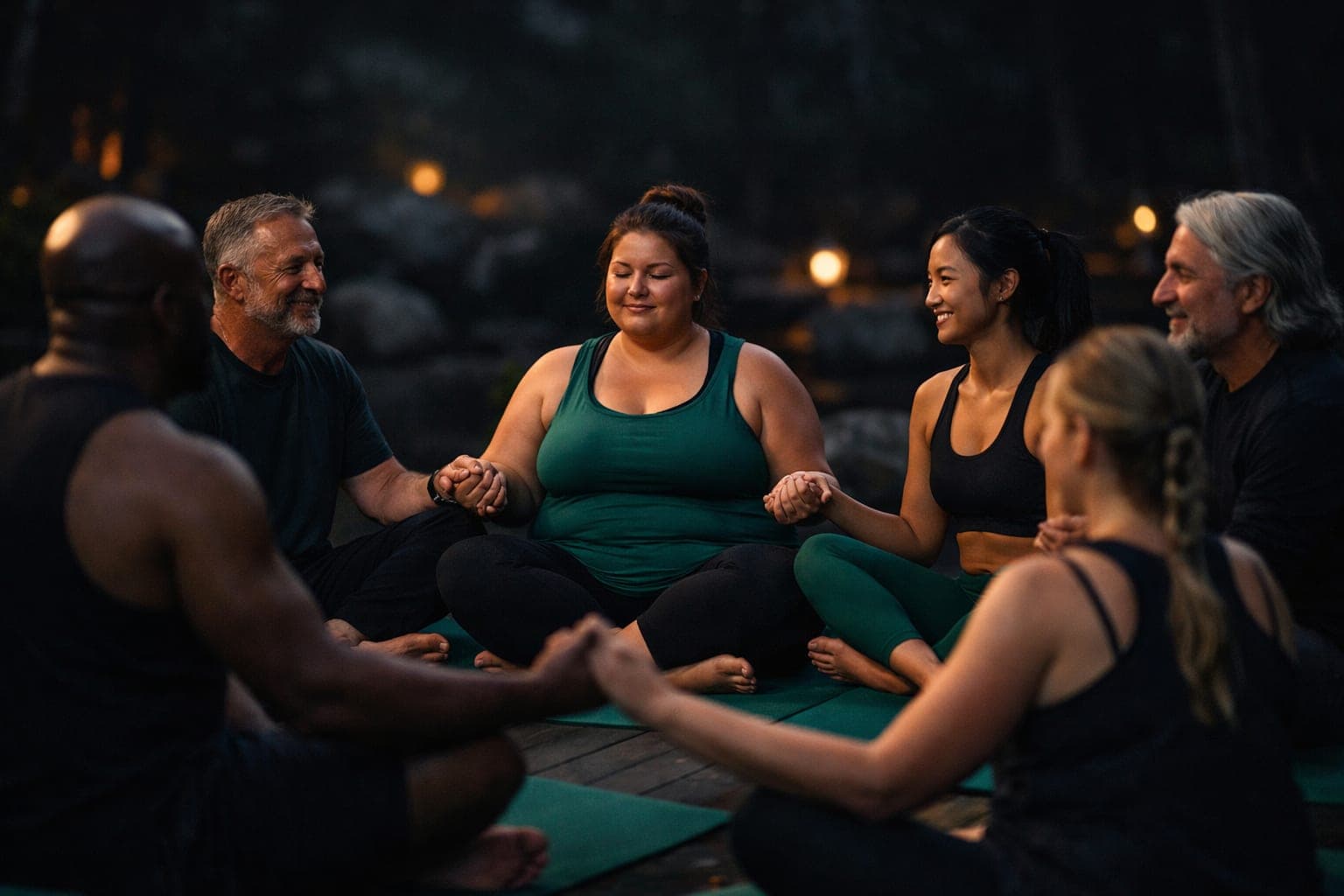
Community-Based Recovery: Boosting Athletic Resilience Through Peer Support
Explore how community-based recovery resources and peer support enhance athletes' mental resilience and recovery outcomes.
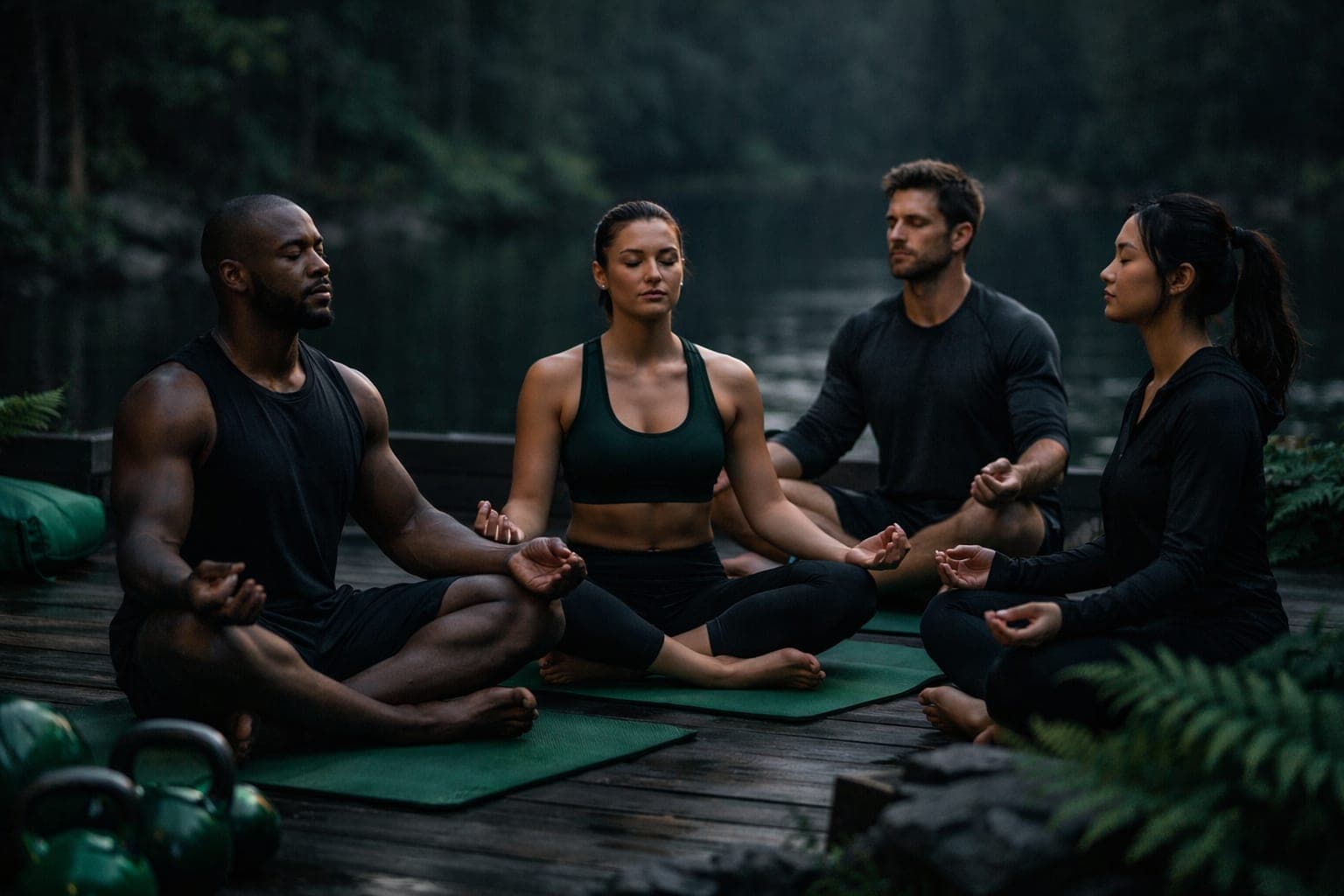
Harnessing Relaxation Techniques to Boost Athletic Performance Intensity
Explore how relaxation techniques like deep breathing and mindfulness can enhance athletic performance by regulating intensity.
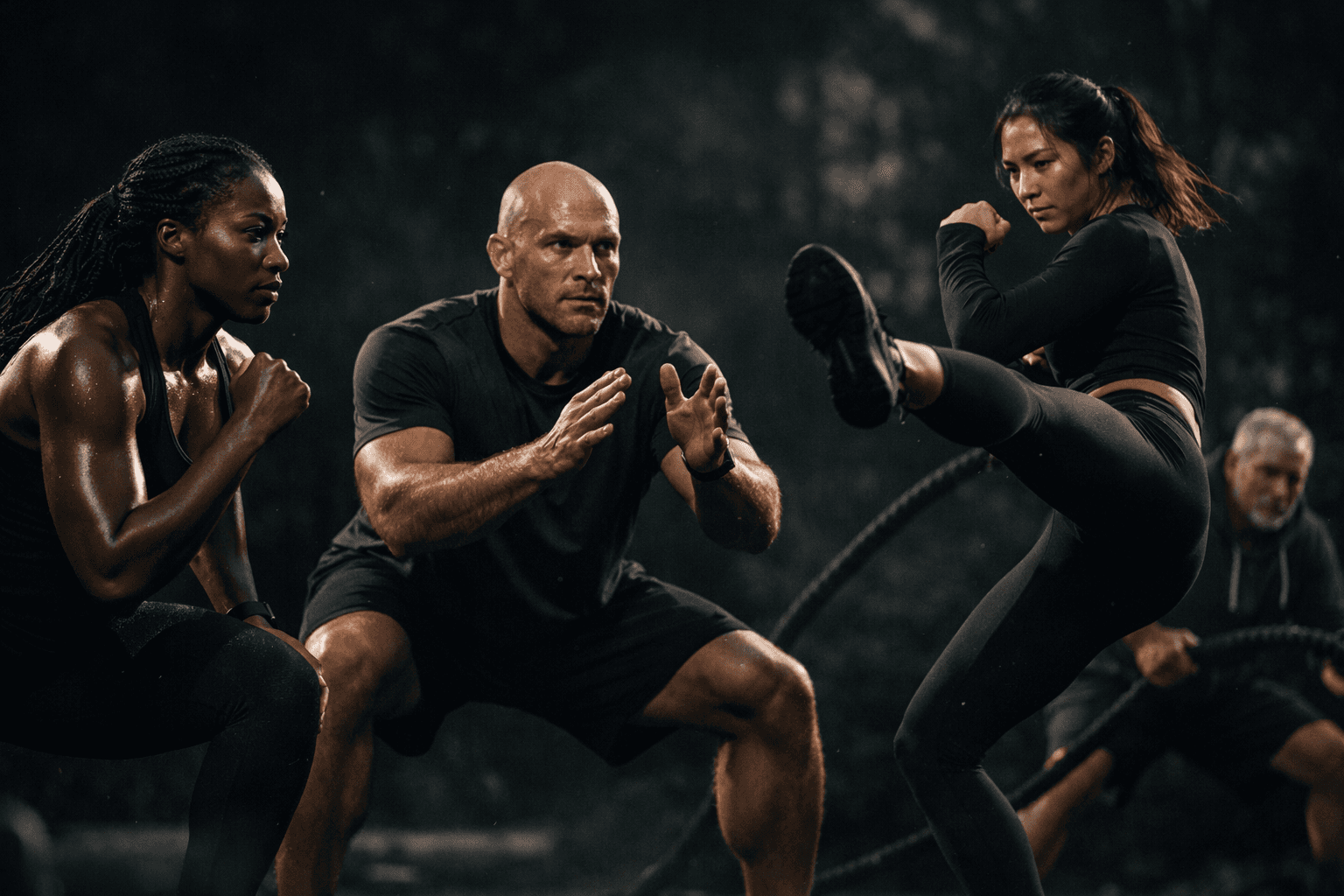
Building Mental Resilience: A Key to Recovering Faster from Athletic Injuries
Explore how mental resilience training can enhance recovery outcomes for athletes, aiding in quicker returns to peak performance.