Harnessing Relaxation Techniques to Boost Athletic Performance Intensity
Explore how relaxation techniques like deep breathing and mindfulness can enhance athletic performance by regulating intensity.
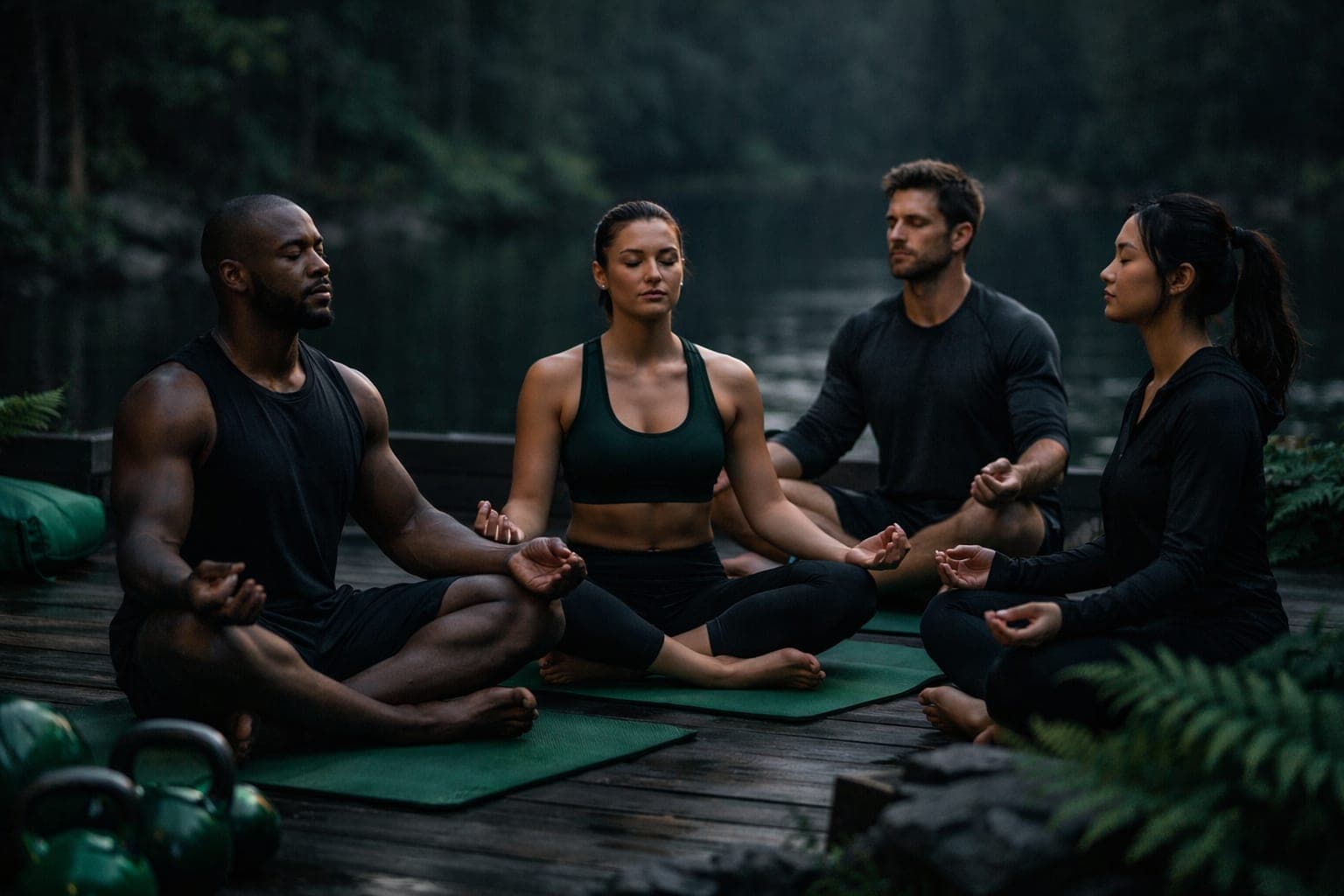
The Role of Relaxation Techniques in Enhancing Athletic Performance Intensity Regulation
In the high-stakes world of sports, athletes are constantly searching for that extra edge to enhance their performance. While intense training and strict nutrition regimens are often the focus, I've learned that the mind also plays a crucial role in achieving peak performance. In particular, relaxation techniques are proving to be powerful tools in helping athletes regulate their performance intensity, allowing them to maintain focus and composure under pressure.
The Science Behind Relaxation and Performance
Relaxation techniques, including deep breathing, progressive muscle relaxation, and visualization, have been shown to significantly reduce pre-competition anxiety[1]. This reduction in anxiety helps athletes maintain a calm and focused state, which is essential for regulating performance intensity. In my research, I've found that athletes who regularly practice these techniques report enhanced concentration and focus during competitions, which directly translates to better performance outcomes[2].
Mindfulness meditation, a practice that involves focusing on the present moment, has also gained popularity among athletes. It enhances emotional regulation, enabling athletes to manage stress effectively and maintain optimal performance levels[3]. This mental resilience is crucial in high-pressure situations where maintaining the right level of intensity can make or break a performance.
Practical Relaxation Techniques for Athletes
Incorporating relaxation techniques into training routines doesn't require a complete overhaul of your current regimen. Here are some actionable strategies I recommend for integrating these practices effectively:
-
Pre-training Relaxation Routine: Encourage athletes to incorporate a 5-10 minute relaxation routine before training and competitions. This could involve deep breathing exercises or a brief mindfulness session to enhance focus and reduce anxiety[2].
-
Visualization Practices: Visualization involves mentally rehearsing performances, which not only boosts confidence but also aids in maintaining optimal intensity levels. Encourage athletes to visualize successful performances as part of their pre-competition routine[3].
-
Customized Relaxation Plans: Develop personalized relaxation routines that resonate with each athlete's preferences and needs. This could include a mix of deep breathing, progressive muscle relaxation, and mindfulness practices tailored to their specific stressors and performance goals[2].
-
Mindfulness Meditation: Incorporate regular mindfulness meditation sessions into training schedules. This practice can improve focus, attention control, and emotional resilience, all of which are crucial for high-pressure competitions[3].
The Impact on Athletic Performance
In my experience working with clients, those who have integrated relaxation techniques into their routines often report improved performance consistency. They find themselves more capable of managing their intensity levels, particularly when facing tough competitors or during critical moments in a competition. This consistency stems from a heightened ability to regulate emotions and maintain focus, even amidst the chaos of competition.
Moreover, these techniques offer long-term mental health benefits, as athletes learn to manage stress more effectively, reducing the risk of burnout and enhancing their overall well-being[1].
Conclusion
Relaxation techniques are much more than just a tool for calming nerves—they are a critical component of an athlete's performance toolkit. By integrating practices such as deep breathing, visualization, and mindfulness meditation into their routines, athletes can enhance their ability to regulate performance intensity, leading to better outcomes and a more fulfilling athletic experience.
For those looking to explore personalized approaches further, consider consulting an AI personal trainer to create a tailored plan that fits your unique needs and goals.
Key Takeaways
- Relaxation techniques help reduce anxiety and enhance focus, crucial for regulating performance intensity.
- Practices like mindfulness meditation improve emotional regulation and resilience.
- Personalized relaxation routines can lead to consistent performance improvements.
- Incorporating these techniques offers long-term mental health benefits, reducing burnout risk.
Embrace the power of relaxation techniques to not only improve your athletic performance but also to enhance your mental fortitude, ensuring you stay at the top of your game.
Sources & References
- [1]Impact of Relaxation Techniques on Athletic Performance Intensity Regulation
- [2]Regulating Performance Intensity with Relaxation Techniques
- [3]Integrating Relaxation Techniques into Training
Get a coach that builds the program for you
Level's AI coach turns advice like this into a periodized program that adapts to your data every week.
Start Your Free Trial$20/month after the 14-day trial. Cancel anytime.
Or explore a plan built for you
Related Articles
Unleash Your Potential: The Power of Activation Strategies in Athletic Performance
Discover how tailored activation strategies can enhance focus, reduce anxiety, and boost athletic performance.
Harnessing Emotional Intelligence for Success in Fitness Coaching
Explore how emotional intelligence can transform fitness coaching, leading to enhanced client performance and satisfaction.
Unlocking Performance: The Power of Sleep Periodization in Athletic Recovery
Explore how sleep periodization can enhance athletic recovery and performance by aligning sleep with training cycles.