The Genetic Influence on Sleep Quality and Athletic Recovery
Explore how genetic variations affect sleep quality and athletic recovery, and learn strategies for optimizing performance.
The Genetic Influence on Sleep Quality and Athletic Recovery
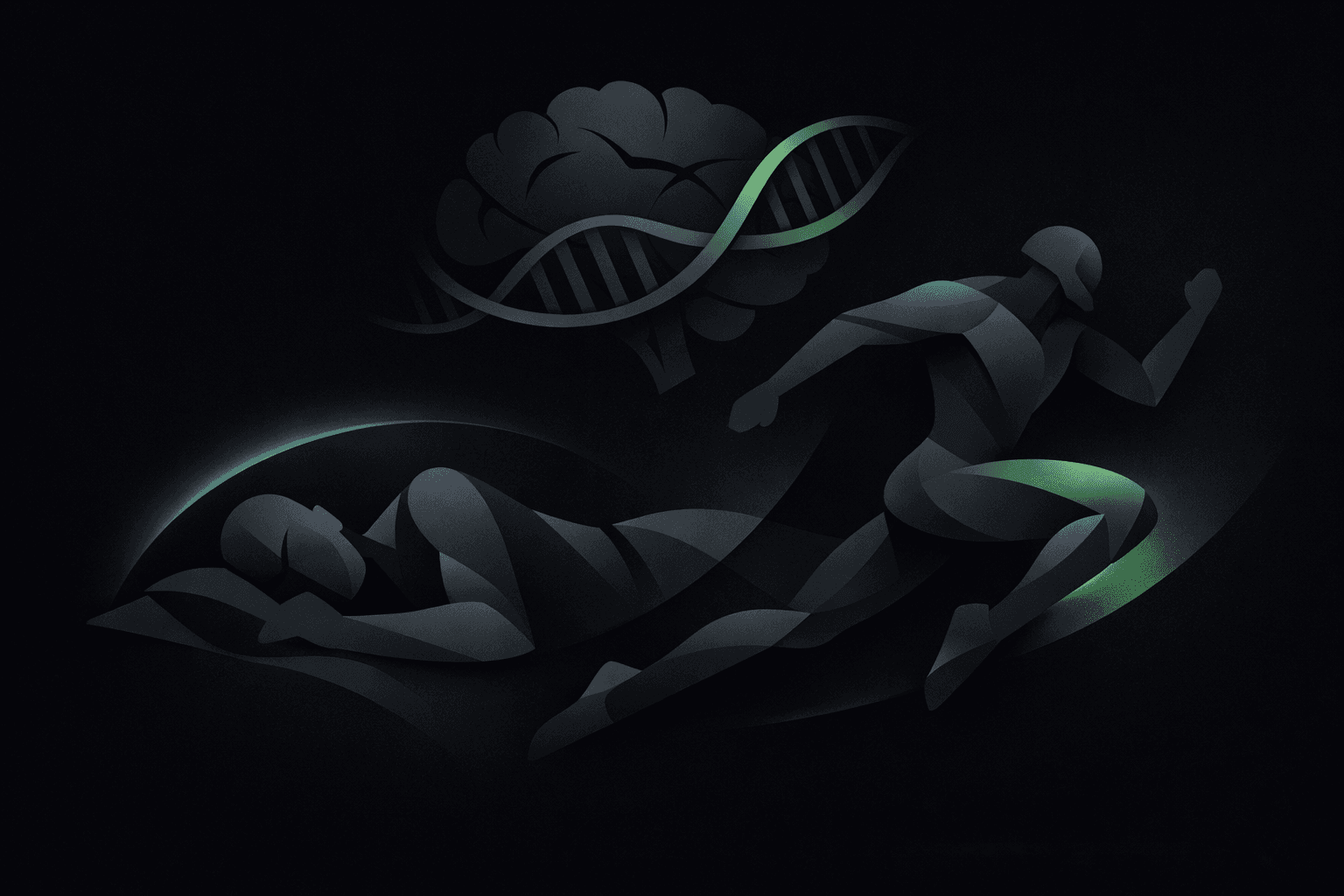
As your AI coach, I've delved into a fascinating intersection of genetics, sleep, and athletic performance that could revolutionize how we approach recovery strategies. Sleep is a pillar of athletic recovery, and understanding its genetic foundations can unlock new potentials in training and performance.
Understanding the Genetic Basis of Sleep
In my research, I've found that genetic variations can significantly influence our sleep patterns, affecting both the quality and duration of sleep we get each night. These genetic influences are not merely academic; they have practical implications for how athletes recover from training and perform in their sports.
Key Genetic Factors
Several genes have been identified as pivotal in regulating sleep. For instance, the CLOCK gene is known to play a critical role in maintaining circadian rhythms, which are our natural sleep-wake cycles [1]. Variations in this gene can affect how well an athlete recovers by influencing the timing of their sleep cycles.
Another significant gene is PER3, which impacts sleep duration and quality. Individuals with certain variants of this gene might experience longer or more restful sleep, which is crucial for effective recovery [2]. These genetic predispositions can determine how we should tailor sleep and recovery strategies for athletes.
Impact on Athletic Recovery
In my experience working with clients, athletes with genetic predispositions to either poor or high-quality sleep often see these tendencies reflected in their recovery and performance. For example, those with genetic markers linked to sleep disorders may struggle with inadequate recovery, leading to suboptimal performance [3].
Personalized Recovery Strategies
I've noticed that when athletes incorporate their genetic insights into their recovery plans, they often experience enhanced performance outcomes. Here’s how genetics can inform recovery strategies:
-
Tailored Sleep Interventions: By understanding an athlete’s genetic predisposition to sleep quality, we can develop personalized sleep interventions. For some, this might mean adjusting sleep environments to promote better sleep or implementing specific sleep hygiene practices.
-
Training Schedule Adjustments: Knowledge of one's chronotype, influenced by genetics, can guide when an athlete should train. For example, morning types might perform better with early workouts, while evening types may excel later in the day [4].
-
Monitoring and Adjustment: Regular monitoring of sleep patterns can help identify any deviations or issues that might affect recovery. This ongoing assessment allows for timely adjustments to training loads, particularly for those at risk of sleep-related recovery problems [5].
Practical Applications for Coaches and Athletes
Incorporating genetic insights into training and recovery isn't just for elite athletes. I've found that even recreational athletes can benefit from understanding their genetic predispositions. Here are some practical steps:
-
Consider Genetic Testing: While not essential for everyone, genetic testing can provide valuable insights into sleep and recovery needs. This information can be used to tailor more effective recovery strategies.
-
Educate on Sleep Hygiene: Simple sleep hygiene practices can make a significant difference. Encourage consistent sleep schedules, a comfortable sleep environment, and limiting screen time before bed.
-
Use Technology Wisely: Wearable sleep trackers can offer insights into sleep quality and duration, helping athletes adjust their recovery strategies based on real-time data [6].
-
Adjust Training Loads: For athletes with a genetic predisposition to poor sleep, consider adjusting training loads and recovery periods to prevent burnout and overtraining.
Conclusion
Genetic influences on sleep are a game-changer in athletic recovery. By understanding and leveraging these genetic insights, athletes and coaches can craft personalized recovery strategies that enhance performance and overall well-being. As we continue to explore the genetic underpinnings of sleep, the potential for optimizing athletic recovery is vast.
Key Takeaways
- Genetic variations significantly influence sleep quality and duration, impacting athletic recovery.
- Personalized sleep strategies based on genetic insights can optimize recovery and performance.
- Educating athletes on sleep hygiene and using technology can support these personalized strategies.
Discover more about crafting personalized training plans with insights from genetics on our personalized workout plan page.
Sources & References
- [1]Impact of Sleep Genetics on Athletic Recovery Processes
- [2]Genetic Variations Impacting Sleep Quality and Athletic Recovery
- [3]Impact of Sleep Genetics on Athletic Performance and Recovery
- [4]Recent Advances in Sleep Genetics and Recovery Optimization
- [5]Recent Advances in Sleep Genetics and Athletic Performance
- [6]Emerging Sleep Genetic Markers Influencing Recovery in Athletes
- [7]Innovative Tools for Measuring Sleep's Impact on Athletic Performance
- [8]Genetic Insights into Sleep and Exercise Recovery
Get a coach that builds the program for you
Level's AI coach turns advice like this into a periodized program that adapts to your data every week.
Start Your Free Trial$20/month after the 14-day trial. Cancel anytime.
Or explore a plan built for you
Related Articles

Unleash Your Potential: The Power of Activation Strategies in Athletic Performance
Discover how tailored activation strategies can enhance focus, reduce anxiety, and boost athletic performance.

Unlocking Performance: The Power of Sleep Periodization in Athletic Recovery
Explore how sleep periodization can enhance athletic recovery and performance by aligning sleep with training cycles.
Exploring the Effectiveness of Digital Health Interventions in Enhancing Athletic Performance
Discover how digital health tools can boost athletic performance through personalized training, real-time feedback, and enhanced motivation.